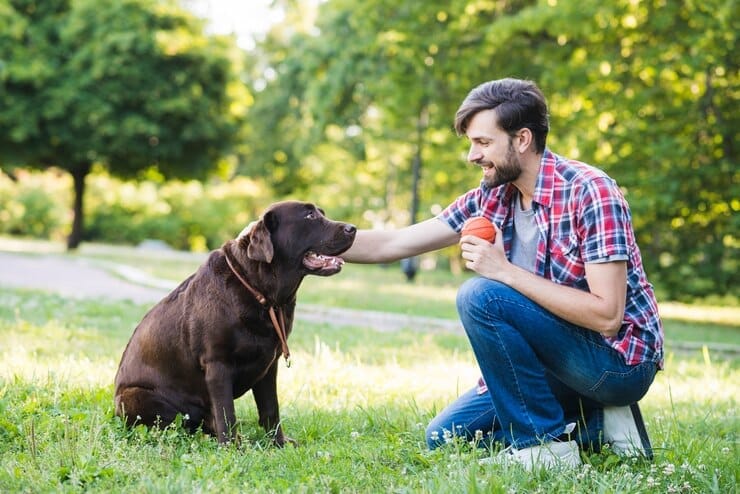
All summer, dogs get near-constant companionship — pool days, cookouts, someone almost always home. Then fall hits, and the house goes quiet. Kids go back to school. Work schedules ramp back up. And the dog who spent June through August as the center of everyone's day is suddenly alone for eight-plus hours, with no transition, no warning, and no explanation. It's one of the most common triggers for separation anxiety in dogs, and it arrives on the same calendar day every year.
Why September Can Cause Separation Anxiety
Veterinarians see it every year: appointments for anxiety-driven behavior — chewing, barking, escape attempts — spike as soon as school starts. Clinically diagnosed separation anxiety affects an estimated 13–28% of dogs[1], and as many as a third of owners suspect their dog struggles with it in some form. The dogs most at risk are "summer dogs" — puppies and rescues adopted over break who've never faced a real eight-hour stretch alone. This year, 7,663 puppies joined Fi over the summer alone, meaning thousands of young dogs are about to face their first fall without anyone home.
What the Data Actually Shows
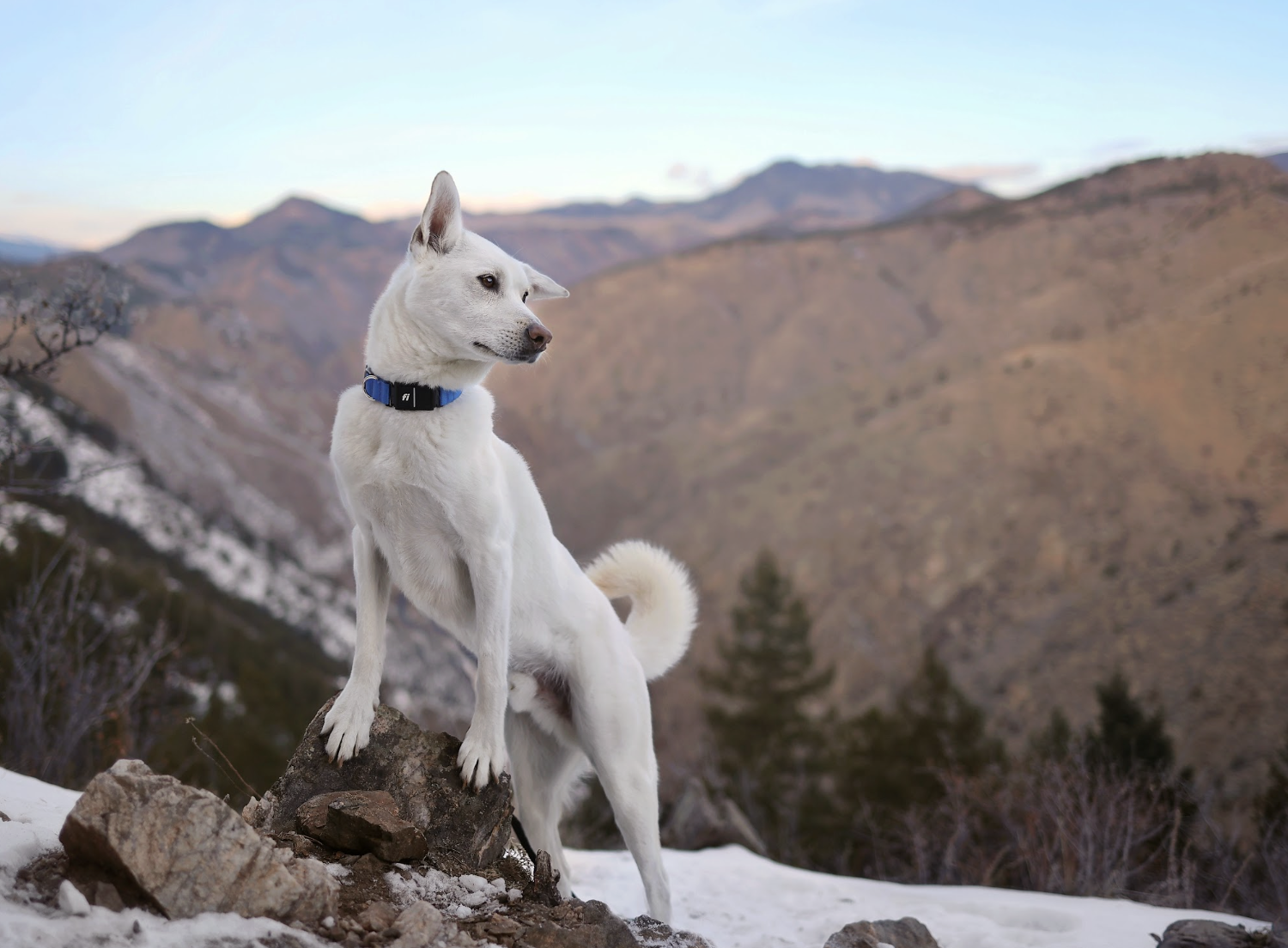
Fi's own location and activity data backs this up. The median dog walk is just 16 minutes, and 1 in 9 is under five minutes, a big drop from summer's leisurely pace. Weekday walks fall roughly 10% once school resumes, and 7 in 10 of the walks that remain get squeezed in before or after the 9-to-5. That stress shows up as risk: escape attempts climb about 15% over Labor Day weekend, and Fi runs some 3,600 lost-dog searches a day. Even beyond escapes, a dog's routine visibly destabilizes. Last September, 3 in 4 dogs tracked on Fi saw a 20%+ swing in activity or sleep, often the earliest sign something's off, long before a chewed-up doorframe makes it obvious.
Signs Your Dog Is Struggling
Watch for pacing or trembling as you get ready to leave, excessive barking or howling, destructive chewing around doors and windows, indoor accidents despite being house-trained, or attempts to dig or squeeze out of a crate, room, or yard. These can all be signs of separation anxiety. One occasional slip isn't cause for alarm; a consistent pattern is.
Easing the Transition
- Practice before the routine changes. Run short, low-stakes alone-time sessions before school starts, rather than jumping straight to a full workday.
- Front-load exercise. A tired dog left home is a calmer dog left home, even with a shortened morning walk.
- Make departures boring. Skip the emotional goodbyes; calm, low-key transitions signal there's nothing to worry about.
- Add enrichment. Puzzle feeders and long-lasting chews give your dog something to focus on besides the empty house.
- Watch for the early signs, not just the obvious ones. Activity and sleep shift before behavior problems show up, so tracking daily patterns — through Fi's activity and sleep tracking — catches stress earlier than waiting for a chewed-up shoes.
If these signs are frequent, intense, or don't ease up after a couple of weeks of a consistent routine, it's worth looping in a veterinarian or a certified separation-anxiety trainer — true separation anxiety usually responds better to a structured plan than to trial-and-error at home.
That's exactly the gap Fi is built for: real-time GPS location and escape alerts, and activity/sleep tracking that flag routine disruption before it turns into a runaway dog or a torn up living room. . Fall doesn't have to catch your dog off guard, even if the calendar does.